
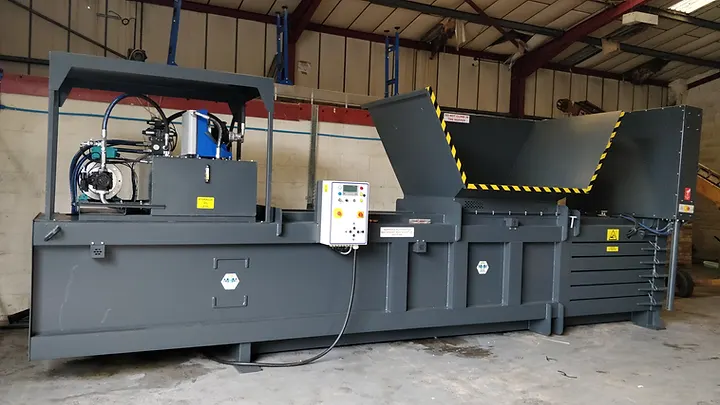
The Cost of Uncompacted Waste
For many businesses, waste collection is a significant recurring cost that grows as waste volumes increase. Every collection involves transport costs, landfill charges, and disruption to operations. The more collections you need, the more you pay—and loose, uncompacted waste means a lot of collections.
How Compaction Reduces Costs
A waste compactor reduces waste volume by up to 5:1, meaning you can fit five times as much waste into the same container. This dramatically reduces the number of collections needed. If you currently have four collections per week, a compactor could reduce that to less than one—cutting your collection costs by up to 80%.
Calculating Your Savings
To estimate your potential savings, you need to know: how many waste collections you have per week, the cost per collection, and the compaction ratio of your equipment. Our waste savings calculator does this instantly—just enter your figures and see your estimated annual savings.
For example, a business with 4 collections per week at £120 per collection spends £24,960 per year on waste. With a 5:1 compactor, that drops to under £5,000—a saving of over £20,000 per year.
Static vs Portable Compactors
Static compactors are permanently installed and ideal for high-volume, fixed-location operations. Portable compactors are self-contained, leak-proof, and transportable—perfect for sites needing flexibility or handling wet waste. See our static compactors and portable compactors pages for the full range.
ROI and Payback Period
Many businesses see a return on investment within months of installing a compactor, thanks to the dramatic reduction in collection costs. The exact payback period depends on your waste volume and current disposal costs, but for medium to high-volume waste producers, the savings typically outweigh the equipment cost very quickly.
Find Out Your Savings
Ready to see how much you could save? Use our savings calculator for an instant estimate, or contact us for a tailored assessment of your waste management needs.