
Cardboard Balers
Cardboard balers from MHM UK LTD are engineered to compact and bale cardboard waste into dense, manageable bales—reducing storage space, cutting disposal costs, and creating a potential revenue stream from recyclable material.
Whether you're a retailer, manufacturer, distribution centre, or waste management operator, our range of cardboard balers handles volumes from occasional batches to continuous 24/7 production. MHM manufactures its core machinery range in Lincolnshire and also supplies selected distributed equipment.
Choose from semi-automatic, fully automatic, and vertical balers—each designed to suit different throughput requirements, space constraints, and budget levels.
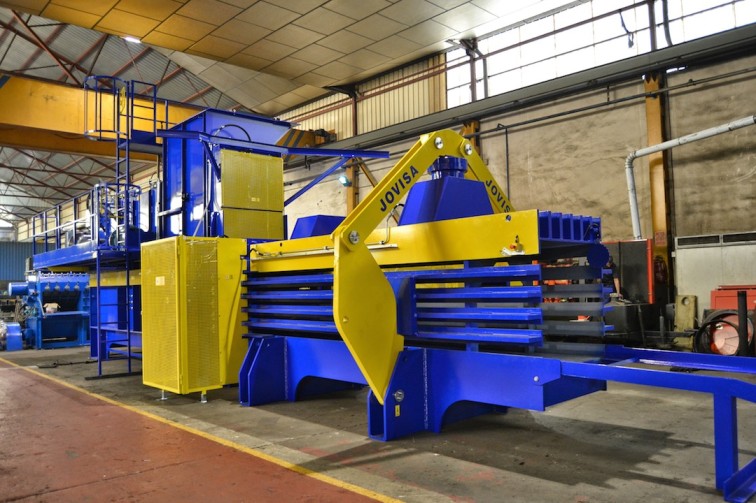
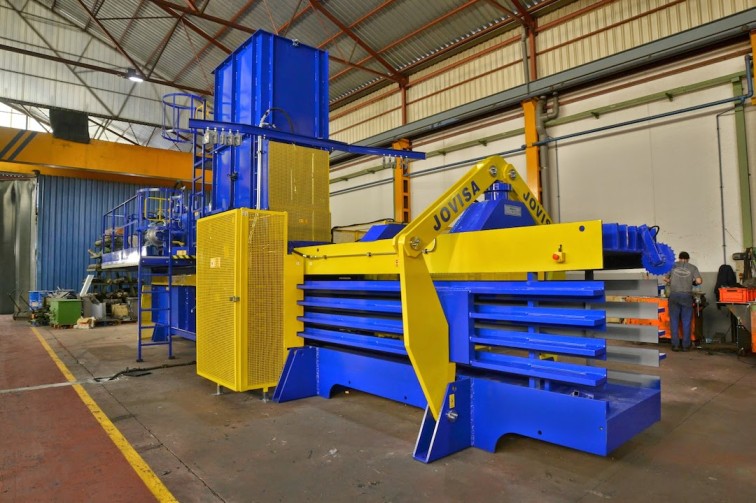
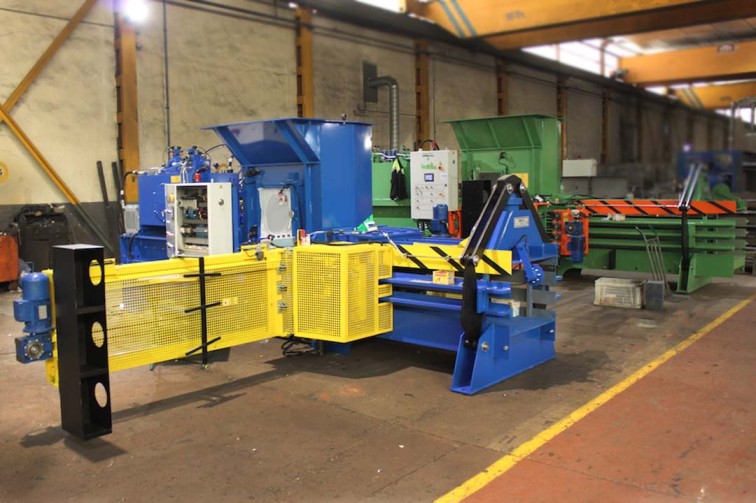
For high-volume 24/7 operations, explore our JOVISA fully automatic balers for autonomous, continuous baling.
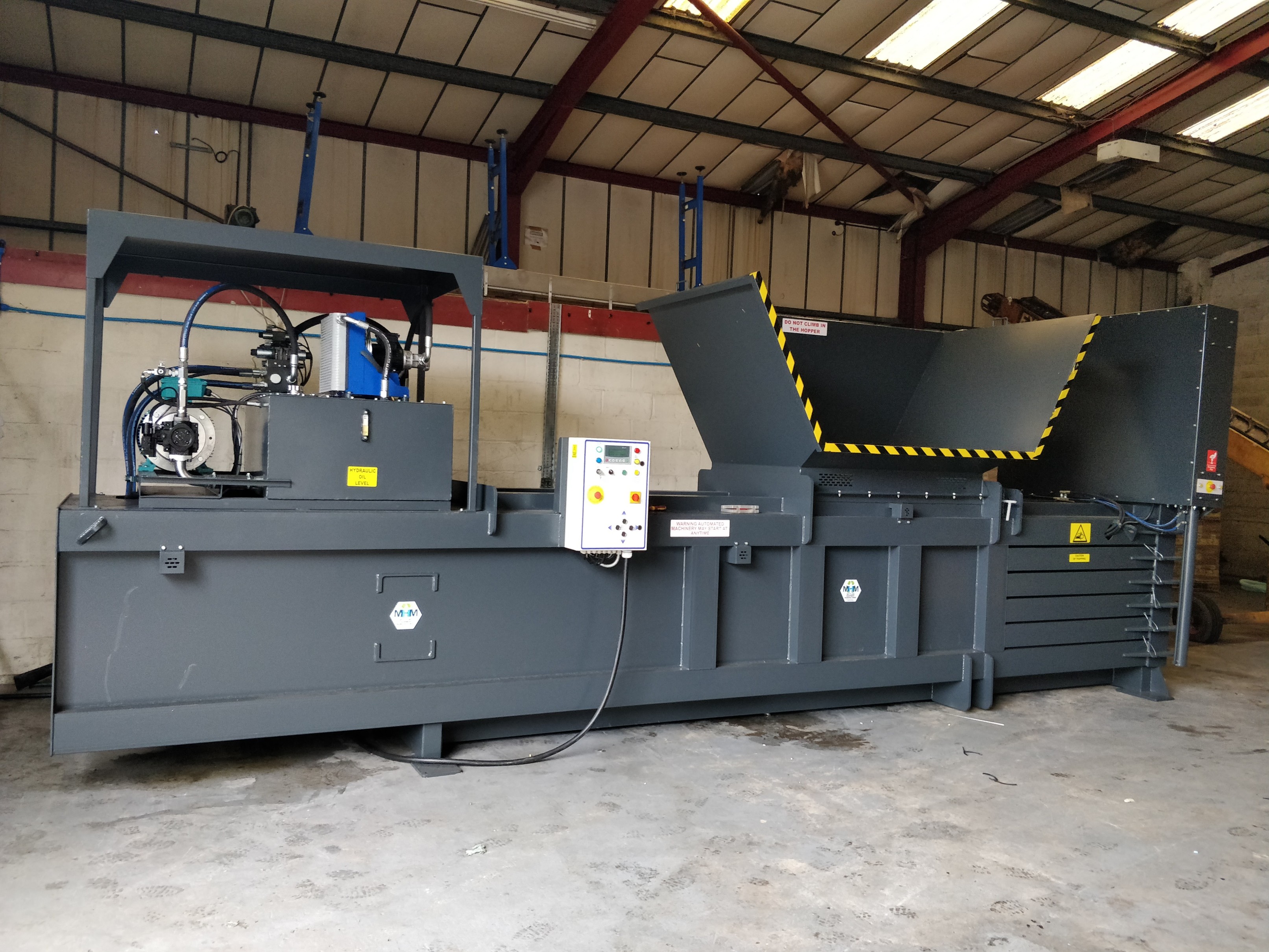
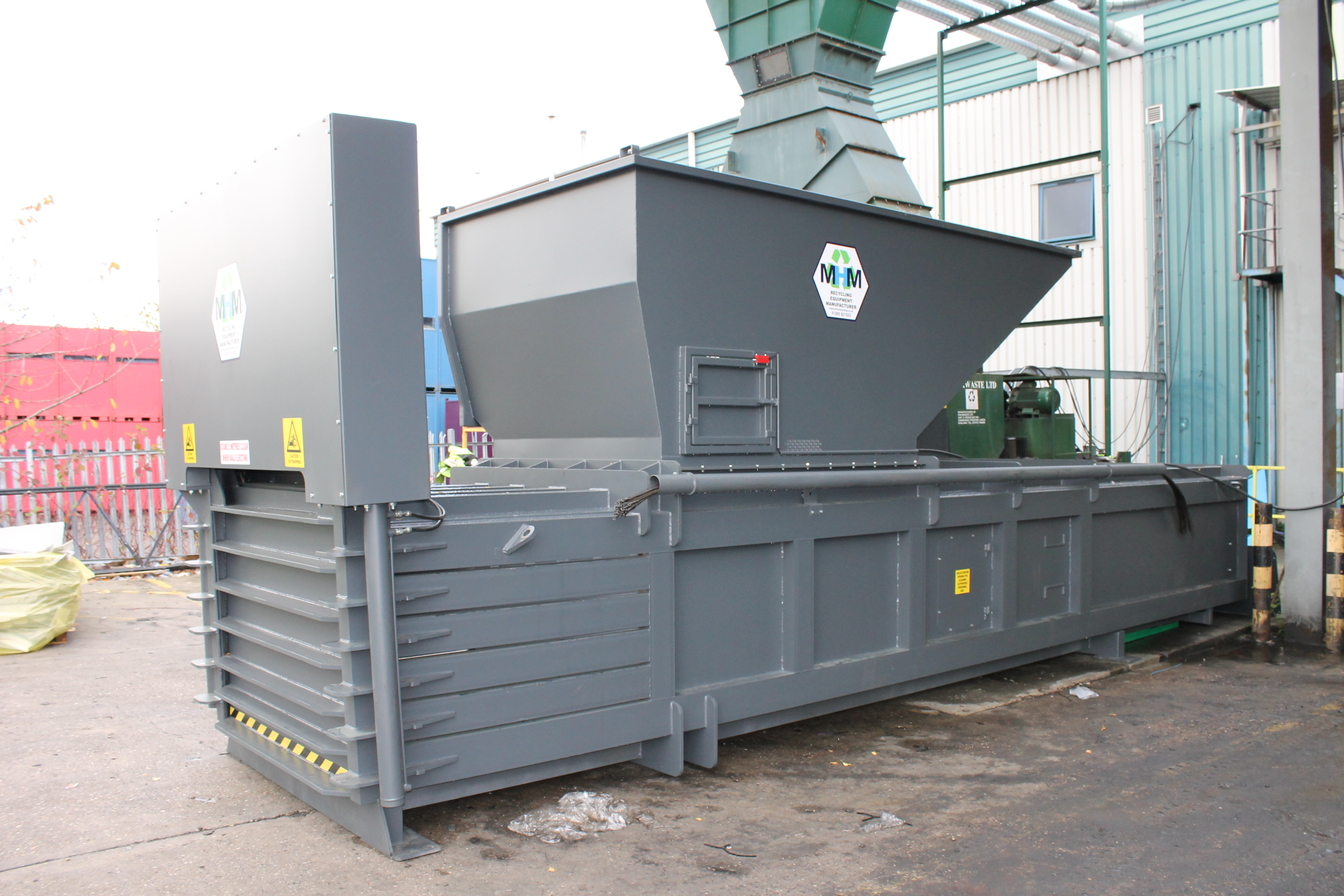
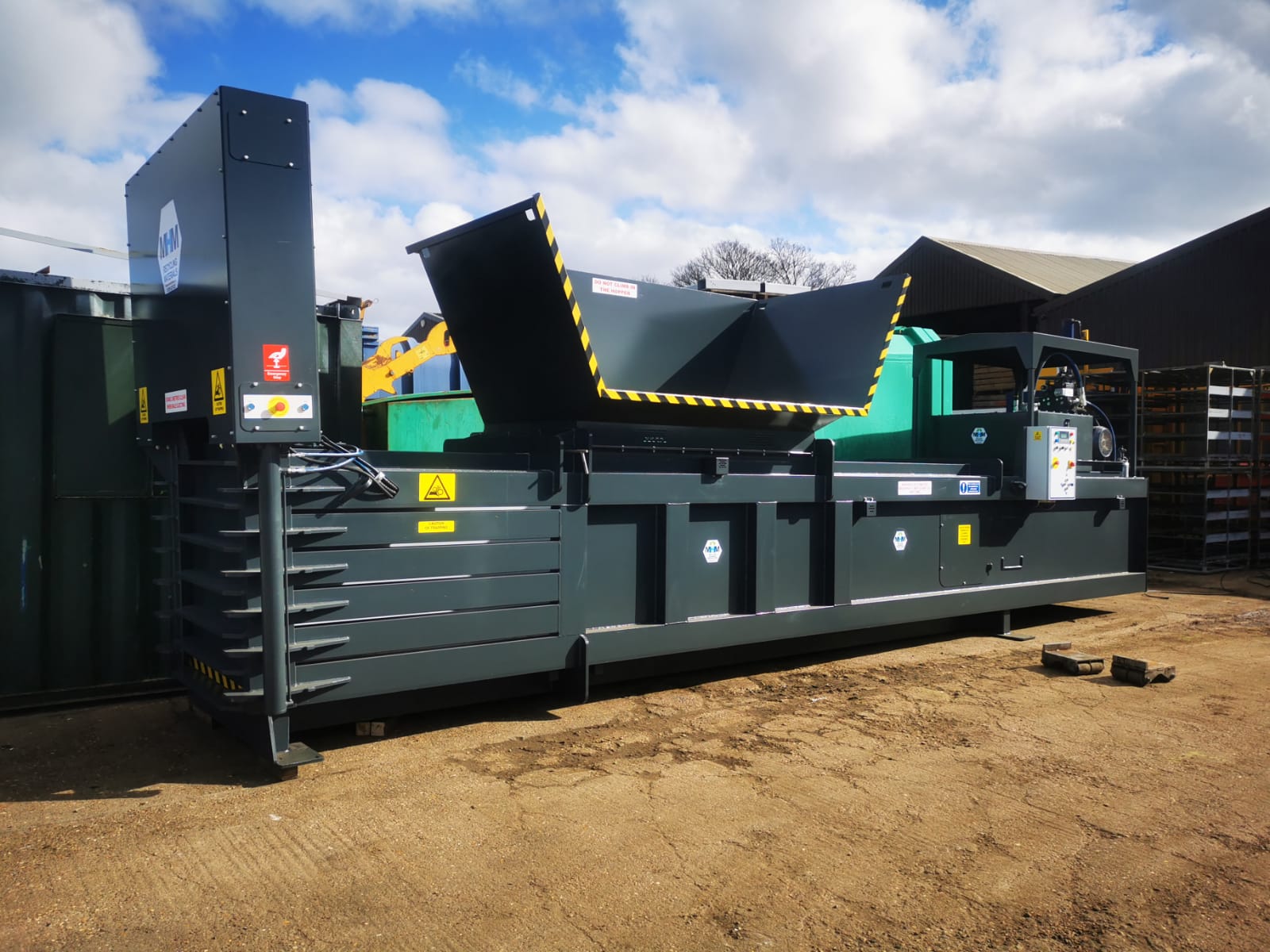
For medium volumes, our semi-automatic balers offer excellent throughput at a lower investment.
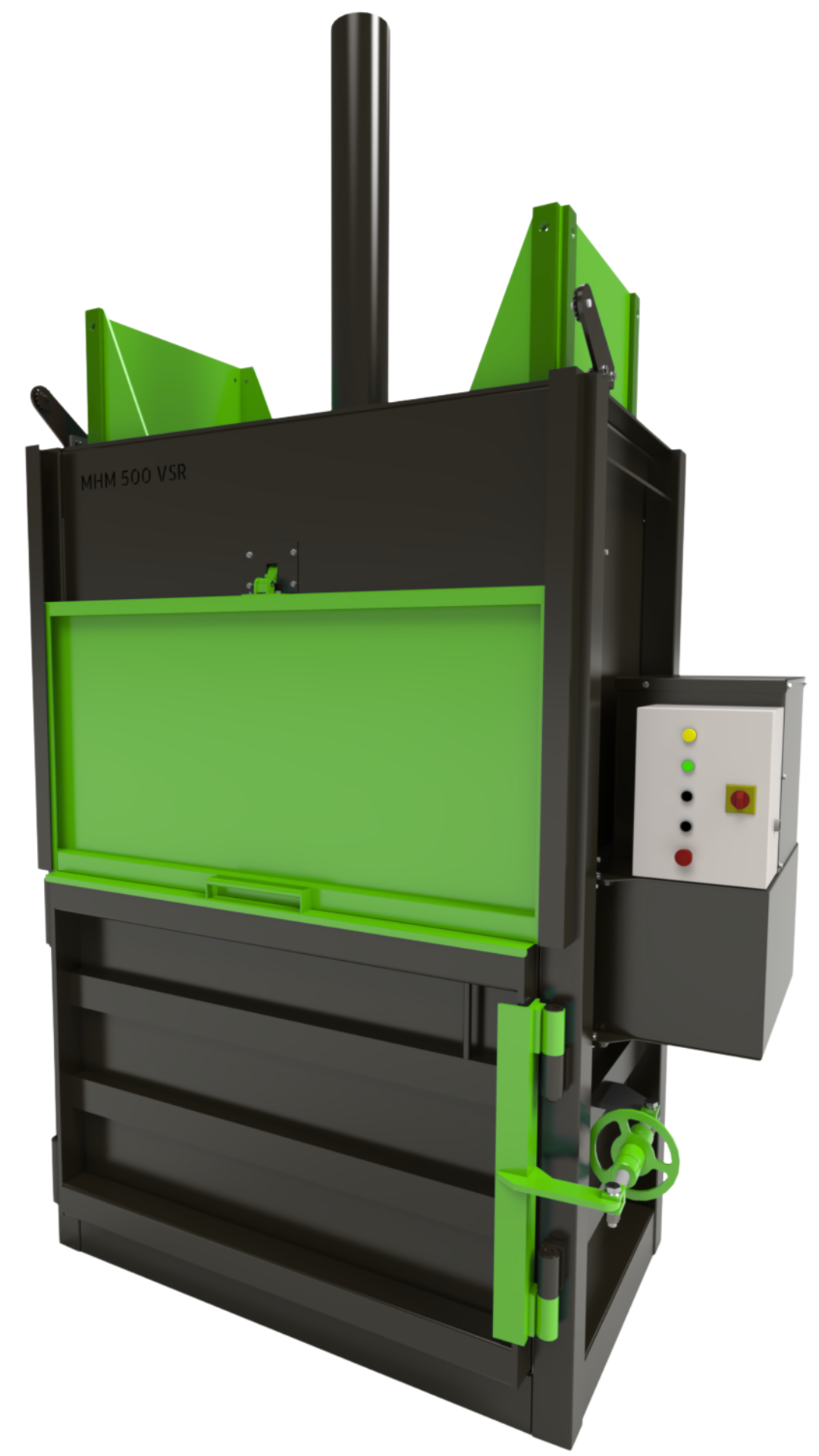
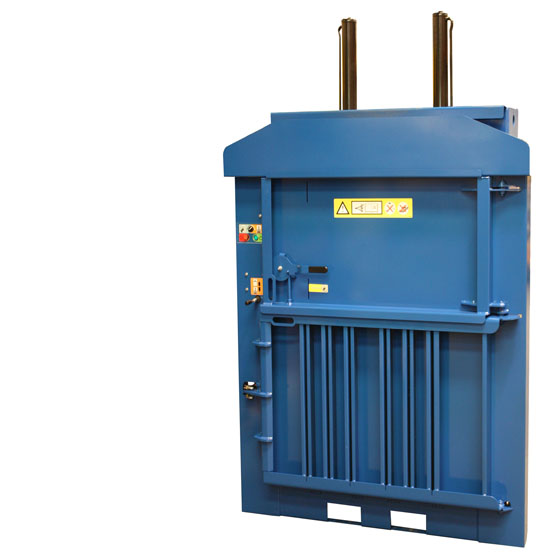
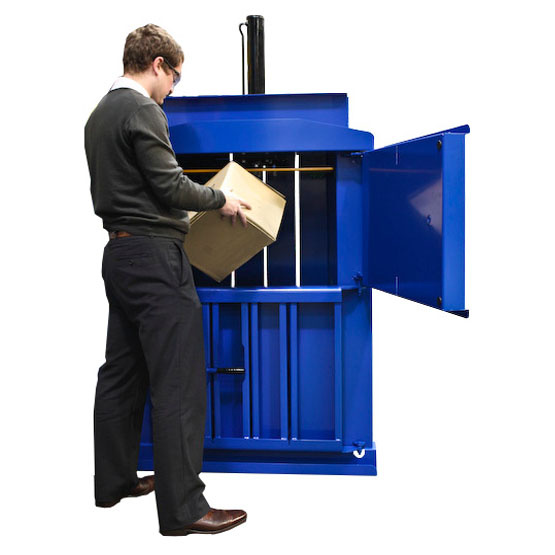
For smaller spaces, browse our vertical balers — compact and affordable.
Already baling cardboard? Learn about cardboard recycling and how to maximise your recycling revenue.
Want to try before you buy? Book a free cardboard baler trial — test a machine at your site with your own waste, completely free of charge.
Prefer to hire? Explore our cardboard baler hire with flexible rental terms and all-inclusive maintenance.
Explore our full range of waste and recycling equipment to find the right machinery for your operation.
Types of Cardboard Balers
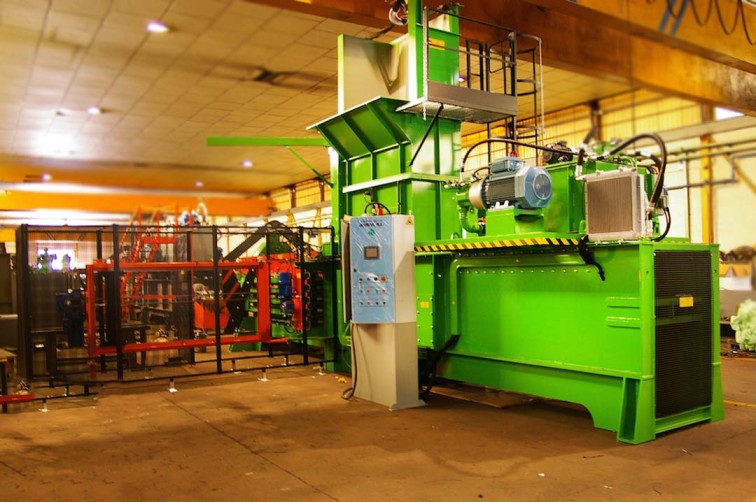
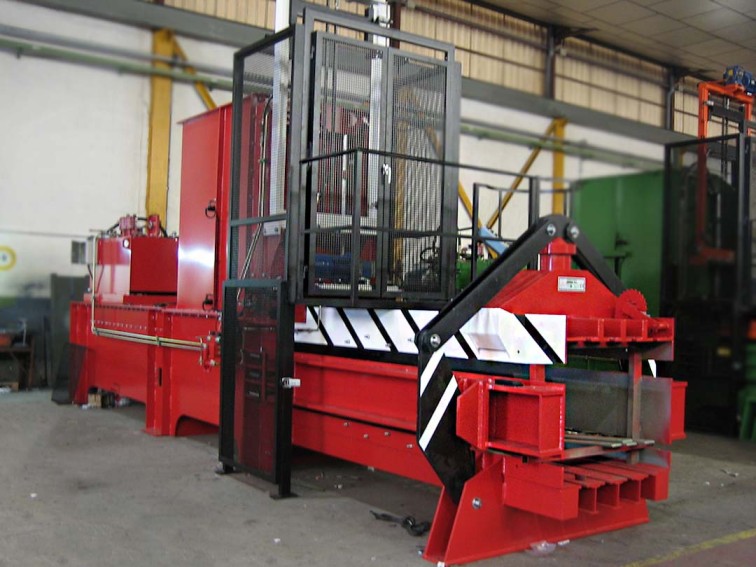
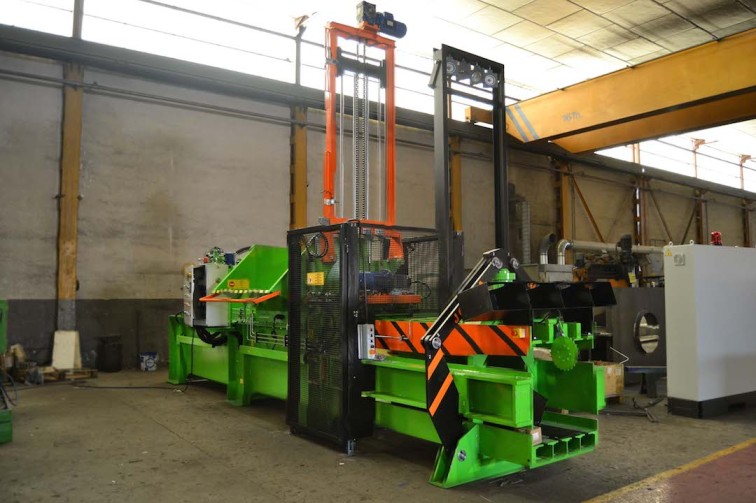
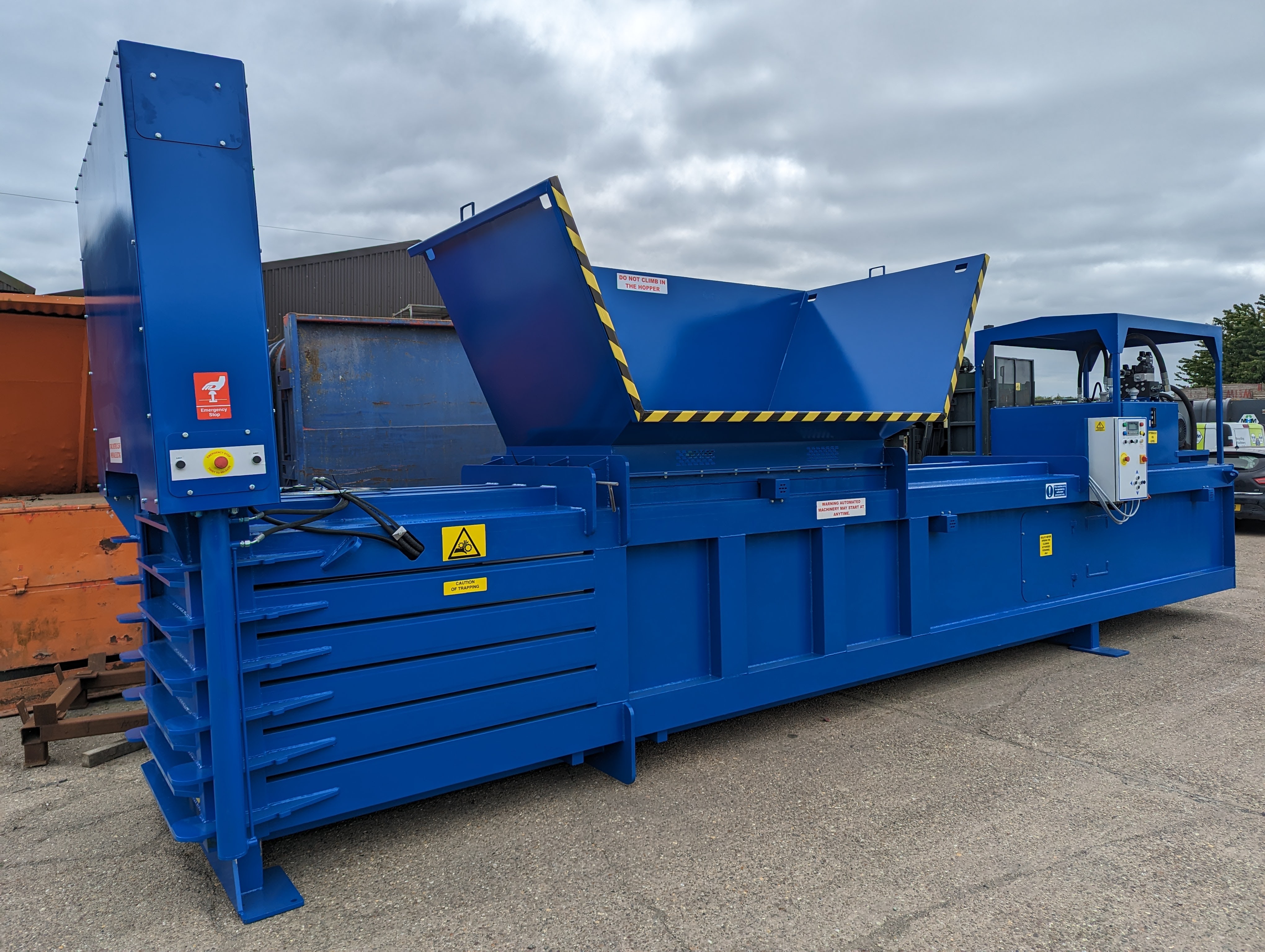
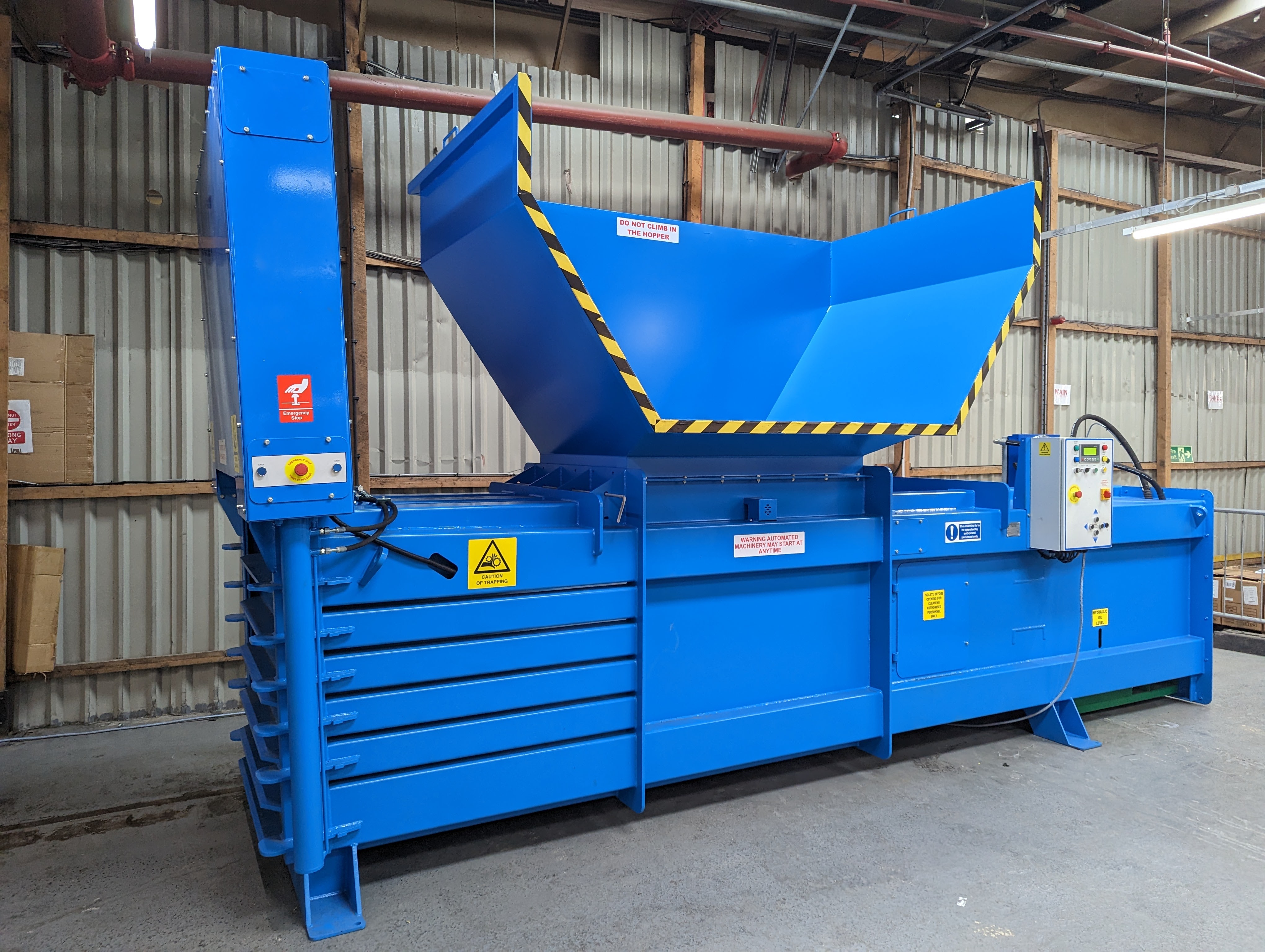
Cardboard balers fall into three main categories. Vertical balers are compact, upstroke machines ideal for small to medium volumes, producing bales up to 650kg. They are affordable, space-saving, and perfect for retail stores, restaurants, and small warehouses. Semi-automatic balers are horizontal machines where the operator manually ties the baling wire for each bale. They handle medium to high volumes of cardboard and are the workhorse of many distribution and manufacturing operations. Fully automatic balers handle the entire baling cycle—including wire feeding and tying—autonomously, enabling continuous 24/7 unattended operation for the highest-volume facilities.
How to Choose the Right Cardboard Baler
Choosing the right cardboard baler depends on three key factors: your daily cardboard volume, available floor space, and budget. For small businesses producing occasional batches, a vertical baler is usually the best choice. For medium to large operations with consistent daily waste, a semi-automatic baler offers the best balance of throughput and cost. For high-volume facilities running around the clock, a fully automatic baler eliminates the need for a dedicated operator and enables true 24/7 operation. Our team can help you assess your needs with a free site survey.
Cardboard Baler Prices and ROI
Cardboard baler prices vary based on size, automation level, and features. Vertical balers are the most affordable option, while fully automatic balers represent the highest investment but deliver the lowest operating cost per bale. Financial outcomes and commercial terms depend on the site, waste stream, current costs and the proposed solution; MHM confirms them against the specific requirement. We also offer hire and refurbished options for budget flexibility. Contact us for a tailored quote based on your specific requirements.
Cardboard Baling Wire and Consumables
Using the right baling wire is critical to producing dense, secure cardboard bales and avoiding costly downtime from wire snaps. We supply quality baling wire and consumables specified to match our balers, ensuring consistent performance and reliable bale production. Our anti-wire snap technology reduces wire breakage, minimising maintenance costs and keeping your operation running smoothly.
How Heavy Is a Cardboard Bale?
The weight of a cardboard bale depends on the baler type and the density of the cardboard being baled. A vertical cardboard baler typically produces bales weighing between 200kg and 650kg. A semi-automatic horizontal baler produces larger bales, typically between 400kg and 800kg. A fully automatic baler can produce bales weighing 500kg to over 1,000kg depending on the model and material density. Mill-size bales—the standard size accepted by UK recyclers and paper mills—typically weigh between 400kg and 600kg. Denser bales fetch better prices from recyclers because they are easier to transport and process.
Cardboard Baler vs Cardboard Compactor
A cardboard baler and a cardboard compactor serve different purposes. A cardboard baler compresses cardboard into tied, uniform bales that can be sold to recyclers—generating revenue from your waste. A cardboard compactor reduces cardboard volume for cheaper disposal but does not produce sellable bales. For clean cardboard waste, a baler is almost always the better choice because it turns a disposal cost into a revenue stream. For mixed or contaminated cardboard that cannot be sold to recyclers, a compactor may be more practical. Contact us for advice on which is right for your waste.
Cardboard Baler Power Requirements
Most vertical cardboard balers run on standard 230V single-phase power, making them suitable for retail stores, restaurants, and small businesses without industrial power. Semi-automatic and fully automatic horizontal balers typically require 400V three-phase power, which is standard in manufacturing and distribution facilities. If your site does not have three-phase power, we can advise on options including single-phase vertical balers or power upgrade requirements. Contact us with your site power details and we'll recommend the right machine.
Buying or Hiring a Cardboard Baler
If you would rather not buy outright, every machine in this range is available on hire — with delivery, installation, operator training, maintenance and repairs included, and no capital outlay. Hire is a common route for businesses trialling a baler before purchase or managing seasonal volumes, and many hire customers go on to buy the machine. Full details are on our baler hire page.
Cardboard Baler Prices in the UK
Cardboard baler prices in the UK vary based on size, automation level, and features. Financial outcomes and commercial terms depend on the site, waste stream, current costs and the proposed solution; MHM confirms them against the specific requirement.
Trial availability, where offered, and all related commercial terms are confirmed in the applicable MHM quotation or agreement. We also stock refurbished cardboard balers that deliver the same performance at a significantly reduced price. Contact us for a tailored quote based on your waste volume, space constraints, and budget.
Free Cardboard Baler Trial
MHM UK LTD offers a free cardboard baler trial for UK businesses. Trial availability, where offered, and all related commercial terms are confirmed in the applicable MHM quotation or agreement. Delivery, installation, operator training, and collection are all included. You see the bales, measure the volume reduction, and calculate the ROI before spending a penny.
Trial availability, where offered, and all related commercial terms are confirmed in the applicable MHM quotation or agreement. At the end of the trial, you can purchase the machine, switch to hire, or simply return it — there is no obligation to buy. Contact us to book your free cardboard baler trial today.
Cardboard Box Baler, Baling Press or Crusher — What Is the Difference?
Suppliers use several names for the same or similar machines. A cardboard box baler and a cardboard baling press both describe a machine that compresses loose boxes into tied bales — 'box baler' is the term most retail and warehouse buyers use, while 'baling press' is the older trade term still found on import listings and mill paperwork. A cardboard crusher or pre-crusher is a different machine: it flattens or shreds boxes to reduce volume, but it does not produce a tied, saleable bale.
If you want to sell your cardboard to a recycler, you need a baler. If you only want to cut collection frequency and have nowhere to store bales, a crusher or compactor can be enough. Our range covers vertical box balers for back-of-store use through to horizontal baling presses for continuous packing lines, and we will tell you honestly which one your volumes justify.
Cardboard Baler Installation and Delivery Across the UK
We deliver, install and commission cardboard balers across England, Scotland, Wales and Northern Ireland. An engineer installs the machine, confirms the power supply and floor loading, runs a test bale on your own cardboard, and trains your operators before leaving site — so the baler is working correctly from day one rather than waiting for a second visit.
Delivery and installation are included on new machine purchases and on hire, and the same engineers handle servicing and repairs afterwards, including machines made by other manufacturers. Tell us your postcode and daily cardboard volume and we will confirm lead time, access requirements and the model that fits your space.
Why Choose Our Cardboard Balers?
Reduce Waste Volume
Compact loose cardboard into dense bales, reducing volume by up to 90% and freeing up valuable floor space.
Generate Revenue
Baled cardboard is a valuable recyclable commodity. Clean, dense bales fetch better prices from recyclers.
Improve Site Safety
Keep walkways and fire exits clear of loose cardboard. Baling reduces trip hazards and fire risk on your premises.
Lower Disposal Costs
Fewer waste collections mean lower transport and landfill costs. Financial outcomes and commercial terms depend on the site, waste stream, current costs and the proposed solution; MHM confirms them against the specific requirement.
Environmental Compliance
Meet your duty of care obligations under UK waste regulations with proper baling and recycling of cardboard.
Built to Last
MHM balers are manufactured with heavy-duty components and anti-wire snap technology for reliable, long-term operation.
Who Uses Our Cardboard Balers?
Our cardboard balers are trusted by businesses across a wide range of industries. Here are some of the most common applications and use cases.
Retail Stores & Supermarkets
Cardboard balers for retail stores and supermarkets compact packaging waste into sellable bales, reducing collection frequency and freeing up back-of-store space.
Distribution & Warehousing
High-throughput cardboard balers for distribution centres and warehouses handle continuous packaging waste from inbound and outbound goods.
Manufacturing Facilities
Cardboard balers for manufacturing facilities process packaging and production waste, turning disposal costs into recycling revenue.
Print & Packaging Operations
Balers for print and packaging operations compact offcuts and waste cardboard into dense, recyclable bales.
Waste Management Operators
Reliable cardboard balers for waste management companies and recycling operations handling multiple commercial waste streams.
Cardboard Balers Available
Cardboard Balers FAQs
The right size depends on your daily cardboard volume. For small businesses producing occasional batches, a vertical baler producing bales up to 650kg may suffice. Medium to large operations benefit from semi-automatic balers, while high-volume facilities with continuous waste production should consider fully automatic balers.
Cardboard baler prices vary based on size, automation level, and features. We provide tailored quotes based on your specific requirements. Contact us for a no-obligation quote, or consider our hire and refurbished options for budget flexibility.
Yes. MHM UK LTD offers machinery hire with flexible rental terms. Our hire packages include delivery, installation, operator training, maintenance, and repairs—everything you need with no capital outlay.
Absolutely. Our skilled engineers provide ongoing maintenance and repair services for all MHM machinery, and we can service equipment from other manufacturers too. This ensures your baler operates at peak efficiency for years to come.
A cardboard bale typically weighs between 200kg and 650kg from a vertical baler, 400kg to 800kg from a semi-automatic horizontal baler, and 500kg to over 1,000kg from a fully automatic baler. Mill-size bales—the standard accepted by UK recyclers—typically weigh 400kg to 600kg. Denser, heavier bales fetch better prices from recyclers.
A cardboard baler produces tied, sellable bales that generate recycling revenue. A cardboard compactor reduces cardboard volume for cheaper disposal but does not produce sellable bales. For clean cardboard, a baler is usually the better choice because it turns waste into income. For mixed or contaminated cardboard, a compactor may be more practical.
Vertical cardboard balers typically run on standard 230V single-phase power, suitable for retail stores and small businesses. Semi-automatic and fully automatic horizontal balers usually require 400V three-phase power, standard in manufacturing and distribution facilities. We can advise on the right machine for your site power supply.
Vertical cardboard balers have a compact footprint, typically requiring only 2-4 square metres, making them suitable for back-of-store areas and small warehouses. Semi-automatic horizontal balers need more space—typically 10-20 square metres including feed and bale ejection room. Fully automatic balers require the most space. We can advise on exact dimensions for each model.
In most cases no. A baler is plant and machinery rather than a building, so it normally does not need planning permission, and internal installations are almost never affected. If the machine will be sited outside, inside a listed building, or close to a boundary where noise could affect neighbours, check with your local planning authority before ordering. We can supply machine dimensions and noise data to support an application.
Yes. Cardboard balers handle boxes with tape, staples and paper labels without difficulty, and UK mills accept small amounts of these. What causes problems is material that cannot be baled — wet or greasy cardboard, food residue, polystyrene inserts and plastic film. Flatten boxes, keep the material dry, and remove large plastic and foam pieces before baling.
Financial outcomes and commercial terms depend on the site, waste stream, current costs and the proposed solution; MHM confirms them against the specific requirement. Every agreement includes delivery, installation, operator training, maintenance and repairs, so there is no separate service bill. Hire is a common route for trialling a machine before purchase or covering seasonal peaks. Contact us with your daily cardboard volume for an exact figure.
Our smallest machines are vertical upstroke balers, which need roughly 2 to 4 square metres of floor space and typically run on standard 230V single-phase power, producing bales up to about 650kg. They suit retail backrooms, restaurants, small warehouses and sites without three-phase power. If space is tighter than that, a bin press or compactor may be a better fit.
Yes — most of our balers handle cardboard, plastic film, PET, paper and textile. For the best price from recyclers, bale each material separately rather than mixing them, because mixed bales are downgraded or refused. If plastic film is your main waste stream, our plastic balers are set up for it.
Yes. Our engineers service and repair cardboard balers and compactors regardless of who supplied them, including machines no longer supported by their original manufacturer. We carry common parts and will tell you honestly whether repair is economic or whether refurbishment or replacement is the better route.
Ready to find the right cardboard balers for your business?
Get a tailored quote from our team. We'll help you choose the right machine for your operation and budget.